Launching a new product is one of the most challenging and resource-intensive phases for a CPG brand. Timelines are tight, competition is aggressive, and delays can quickly turn into missed retail windows or unnecessary costs.
From our experience at T.H.E.M., packaging is often one of the biggest factors that determines whether a launch stays on schedule or quietly slips. Flexible packaging, especially stick packs, removes many of the friction points that slow brands down and gives teams more control over timing, cost, and scalability.
Below is how flexible packaging helps brands move from concept to shelf faster—and why it’s become a go-to option for launches.
Why Speed Matters in Product Launches
Getting to market quickly isn’t just about being first. It impacts nearly every part of a product’s success.
Fast launches allow brands to capitalize on trends and seasonal demand before competitors flood the market. Retail buyers work within fixed reset schedules, which means missing a window can delay a launch by months. Shorter timelines also reduce development costs by limiting how long teams are tied up in R&D, planning, and pre-production. Most importantly, getting a product into consumers’ hands sooner generates early revenue and real-world feedback that can shape future decisions.
Packaging sits late in the development process, but it’s one of the most common sources of unexpected delays. That’s where format choice matters.
Why Traditional Packaging Slows Launches Down
Rigid packaging formats like bottles and jars introduce complexity early in the process and limit flexibility later on.
Custom molds and tooling require significant upfront investment before a product ever reaches the shelf. Lead times for rigid components can stretch weeks or months, especially when sourcing internationally. Once those materials arrive, larger and heavier packages increase warehousing needs and shipping costs. If changes are needed mid-launch—such as adjusting package size or design—those revisions are often expensive and slow.
These constraints make rigid packaging especially challenging for new products, pilot runs, or brands that want to test the market before scaling.
How Flexible Packaging Removes Friction
Flexible packaging addresses many of these challenges by simplifying production, logistics, and scaling.
Lower Upfront Costs
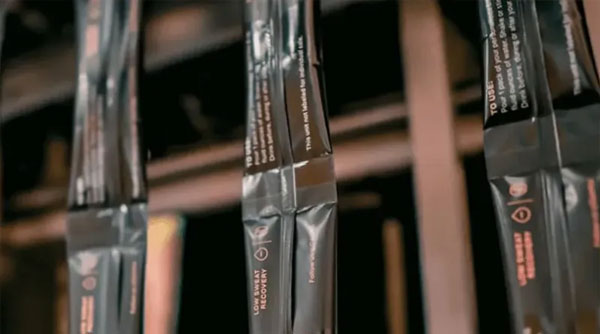
Stick packs rely on standardized films and high-speed form, fill, and seal equipment. There’s no need for custom molds or specialized tooling for each new product, making them a cost-effective option for launches, line extensions, or market tests.
Faster Production Timelines
Flexible packaging materials are easier to source and customize, which reduces lead times. On the production floor, stick pack machinery allows for quick changeovers, making it easier to run multiple SKUs or sizes without long downtimes.
Simpler Logistics
Lightweight, compact packaging reduces freight costs and warehouse space requirements. Smaller case sizes make it easier to distribute limited quantities for pilot programs, regional launches, or DTC fulfillment.
Built-In Scalability
Brands can start with small runs to test demand, then scale production without retooling or major capital investment. When demand spikes or a retailer expands distribution, production can ramp up quickly.
Supporting Pilot Runs and Market Testing
Pilot runs are critical for validating a product before committing to full-scale production. Stick packs make these tests more efficient and less risky.
We regularly work with brands that want to produce smaller quantities to gather feedback, test formulations, or trial new flavors. Single-serve stick packs are ideal for focus groups, sampling programs, direct mail campaigns, and retailer trials. If adjustments are needed, the financial impact is significantly lower than with rigid packaging formats.
This flexibility allows brands to learn faster and refine their strategy before scaling.
Meeting Retail and Regulatory Requirements
Retailers and regulatory bodies have strict standards for packaging, labeling, and safety. Flexible packaging simplifies compliance when handled correctly.
Stick packs can be designed to meet retailer specifications while supporting clear labeling, lot coding, and tamper-evident features. FDA-approved materials are readily available for food, supplement, and pharmaceutical products. Working with an experienced packaging partner helps ensure these requirements are met without slowing down the launch timeline.
The Role of a Copacker in Faster Launches
Packaging format is only part of the equation. The right copacking partner can significantly accelerate a product launch.
By working with a copacker equipped for flexible packaging, brands gain immediate access to high-speed production lines without upfront investment. Material sourcing expertise shortens procurement timelines. Established quality systems ensure consistency and compliance from the first run. Most importantly, scalable infrastructure allows production to grow with demand instead of becoming a bottleneck.
At T.H.E.M., we support brands from pilot runs through full commercialization, helping them move quickly without sacrificing quality or control.
CATEGORIES: Co-Packing