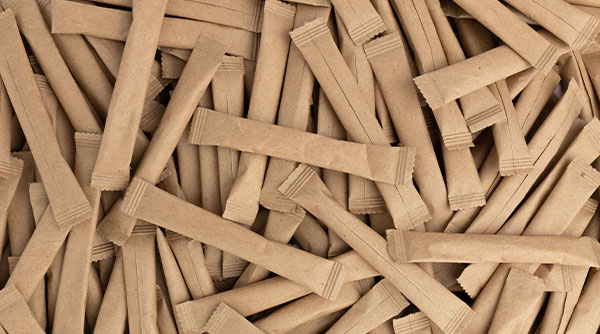
Stick packs have been growing in popularity for decades. They’re suitable for a wide range of food, cosmetic, and pharmaceutical products. But how do you know stick packs are the right choice for you?
Traditional packaging has evolved over the years. There are numerous complex packaging designs available at any grocery store or cosmetic shop, but they aren’t always the best choice for the products they contain. In some cases, they’re bulky for the customer and expensive for the manufacturer. Traditional packaging can also limit how your product is served or presented to the masses.
In a crowded market, stick packs have proven to be a new and innovative choice, despite being around for several decades.
Stick packs aren’t the only small form of packaging, but they have advantages that those other products don’t. T.H.E.M. has already written about the ways stick packs can benefit e-commerce businesses, how stick packs can reduce waste, and which products are ideal for stick packs, but it’s also important to compare all of the available packaging options.
Pouches, bottles, sachets, tubs, and stick packs – all of these packaging formats have revolutionized product delivery over the last 20 years, but which packaging format is right for you?
Let’s compare stick packs to each of these competitors and see whether stick packs or a more traditional packaging format is right for your company and products.
Stick Packs vs. Pouches
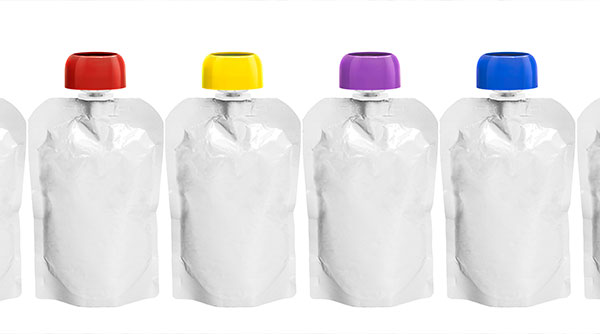
Despite their similar design, pouches and stick packs have differences that could impact their effectiveness, depending on the product.
Stick Packs
- Lightweight design that’s ideal for travel and commuting
- Easy to transport and ship
- Ideal for travelers, commuters, and on-the-go usage
- Are more durable for shipping
Pouches
- Better for larger serving sizes and increments
- Bulkier, harder to store and transport
- Less sustainable and eco-friendly
Which Is Better: Stick Packs or Pouches?
For bulk products that aren’t meant to be single-use, pouches can be more efficient. But when looking for packaging based on portability, shipping cost, convenience, and sustainability stick packs are the clear winners.
Stick Packs vs. Bottles
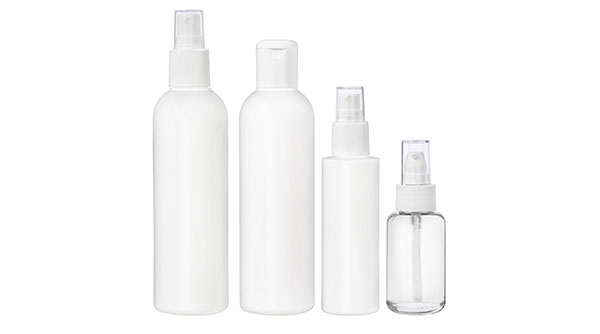
Glass bottles have been in use for thousands of years while plastic bottles have been a manufacturing staple since the 1950s, but how do they stack up against the benefits of stick packs?
Stick Packs
- Lightweight and smaller, making them easier to ship, pack, and store
- Contain far less plastic or other materials
- Ideal for smaller serving sizes or single-use
- Keeps products fresh despite the smaller size
Bottles
- Ideal for perishable products that need to be stored for longer periods of time
- Uses more materials like glass or plastic
- More costly to both ship and store
- More susceptible to damage
- Less cost-effective for both consumers and manufacturers
Which is Better: Stick Packs or Bottles?
Unfortunately for bottles, the only use in which they’re undoubtedly superior is for bulk liquid storage and containment. Otherwise, stick packs are far more economical and environmentally friendly, easier to stock and ship, and can also carry perishable products for long periods of time.
Stick Packs vs. Sachets
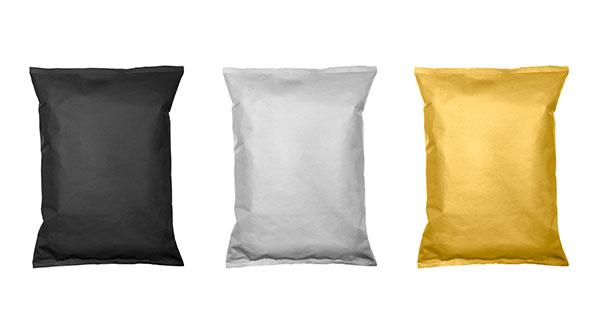
Though similar in design and shape, sachets and stick packs are not the same packaging format and have different traits that suit different industries and products.
Stick Packs
- Sleeker, more attractive designs that can help with product and shelf appeal
- Creates a more appealing “unboxing” experience for consumers
- Made of more eco-friendly materials, making them the “greener” option
- Utilizes a simpler packaging process with a reduced number of sealed sides
Sachets
- Typically made of paper or more fragile materials
- More appropriate for “flat” products, powders, and seeds
- More difficult to open and maintain packaging integrity
- They are also ideal for portability and small serving sizes
Which is Better: Stick Packs or Sachets?
Sachets do have their advantages. They can help to mitigate costs and they’re suitable for several unique products, just like stick packs. But when it comes to brand-friendly packaging that’s also friendly to the environment, stick packs are the choice to make.
Stick Packs vs. Tubs
There aren’t a lot of similarities between stick packs and tubs, as one storage container is much bigger and more durable than the other. That simply means each is better suited to different kinds of products that the other simply isn’t used for.
Stick Packs
- Ideal for individual and single-serving
- It can be used for precise portioning
- Portable and easy to transport
- Fits in backpacks, suitcases, luggage, etc
Tubs
- Larger and bulkier
- Better suited for pantry, medicine cabinet, and kitchen storage
- Ideal for products that are used over longer periods of time
- Not portable or convenient for travel
Tubs have benefits and usage that are not appropriate for stick packs. For athletes who use large amounts of protein powder, or for cooks with large kitchens, tubs can be ideal for storing bulky items, powders, and foods.
But for smaller items that need to be portable or travel-friendly, stick packs are much more effective and easy to use than tubs.
Why Stick Packs Are The Preferred Packaging Choice for Many Products
Not every product is suitable to be stored in a stick pack. Having a month’s worth of protein powder, or having a large container for cooking oils, is simply not a situation where stick packs are the best packaging option. Stick packs’ best traits are that they’re small, portable, and have precise amounts. While that doesn’t make them the ideal choice for larger products and foods, it does make them even more convenient for the products they’re made for.
There are many benefits that make them the perfect packaging format for modern consumer needs:
Convenience
For travelers and commuters, many products need to be easily used and easily stored. That won’t be the case with tubs or bottles, but for small single-serving stick packs, it’s the perfect choice for those who travel often or lead busy lifestyles.
Portion Control
Tubs will not be able to parcel out food or powders in precise portions. Instead of trying to guess how much protein powder should be used, stick packs immediately solve that problem. One stick pack is one serving – that’s it. It reduces waste, mess, and overuse of products.
Sustainability
Instead of using packaging materials made out of plastic, or even paper, stick packs have a smaller carbon footprint while still having plenty of marketing opportunities and shelf appeal.
Brand Appeal
Stick packs aren’t just useful, they’re eye-catching. Despite their small size, there are plenty of opportunities to create custom and attractive designs that emphasize branding and style.
It’s been decades since T.H.E.M. introduced stick packs to North America. At first, it was simply a convenient way to present condiments to the hungry consumer who wanted the perfect amount of ketchup, but it’s grown into a much larger business.
Stick packs have revolutionized how different industries present their products to their customers. They’ve lowered shipping costs and carbon footprints all while giving businesses the branding opportunities needed from preferred packaging formats. There’s still so much potential when it comes to stick packs, and that’s why T.H.E.M. will continue to innovate and invent different uses for them.
Today, T.H.E.M. is an industry leader and innovator, helping businesses to not only improve their packaging but also their processes. T.H.E.M. will continue to make strides, presenting stick pack solutions to an even wider range of products than already exists.
CATEGORIES: Stick Packs